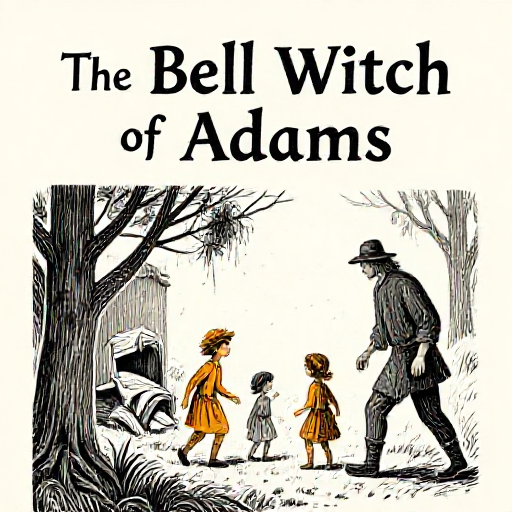
Chapter One: The First Sound
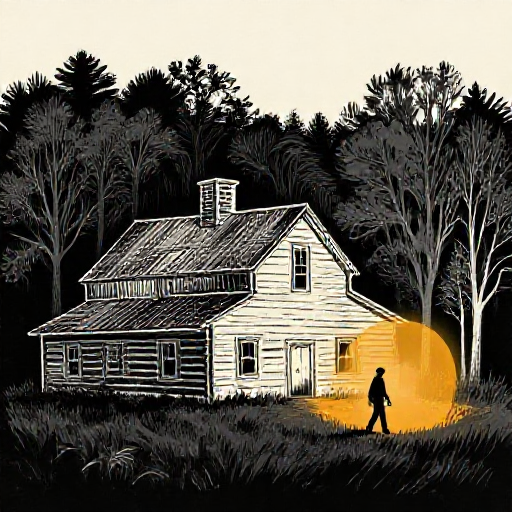
The Bell farm sat quiet in Robertson County, Tennessee, and the family had learned to be grateful for quiet.
It started in 1817 with knocking. Three sharp raps on the outer walls after dark. John Bell walked the perimeter of the house with a lantern and found nothing. No branch. No animal. No neighbor. He went back to bed.
The knocking came again.
By the second week it had moved inside. Something behind the walls. Scratching, rhythmic, patient. As if it were waiting for the house to sleep before it continued its work.
The children heard it first. They said nothing for days.
Chapter Two: Bedclothes
The Bells were a churchgoing family. John Bell was a deacon. These were not people who frightened easily, and they did not speak of the sounds to neighbors.
Then the bedclothes started moving.
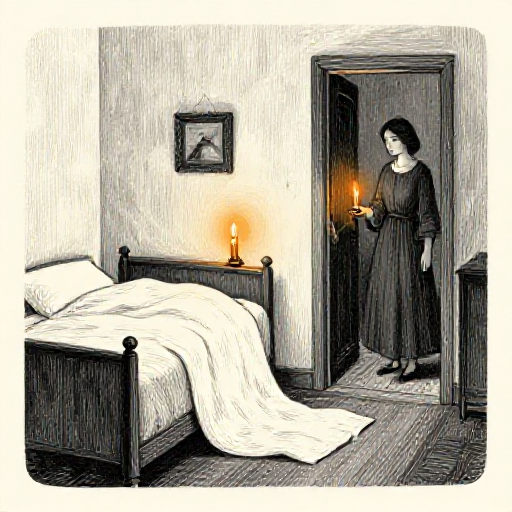
The children woke to find their sheets pulled from the corners, dragged toward the floor. Not falling. Pulled. Slow and deliberate, as if something beneath the bed was gathering its patience before the real work began.
Lucy Bell, the mother, watched it happen from the doorway one night. She did not scream. She walked to the bed, smoothed the sheets back, tucked the corners.
In the morning, she told John.
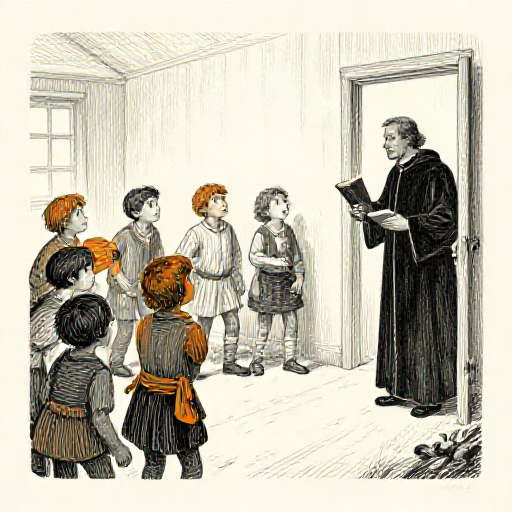
John went to see Reverend James Johnston the next day.
Chapter Three: Voice
By 1818, the thing had found its voice.
It whispered first. Fragments of scripture, which unnerved the Reverend more than anything else. Then it spoke clearly. A woman's voice, most said. Sometimes two voices at once.
It knew things it should not have known. The names of visitors before introductions. The words spoken in private rooms. It recited passages from a Sunday sermon delivered miles away, on the same morning it was given.
The voice was kind to Lucy Bell. It brought her fruit when she was ill. It sang to her.
It was not kind to John.
It called him names. It struck him across the face in full view of witnesses. It pulled his hair in the night until he cried out.
No one could see what was doing it.
Chapter Four: Andrew Jackson
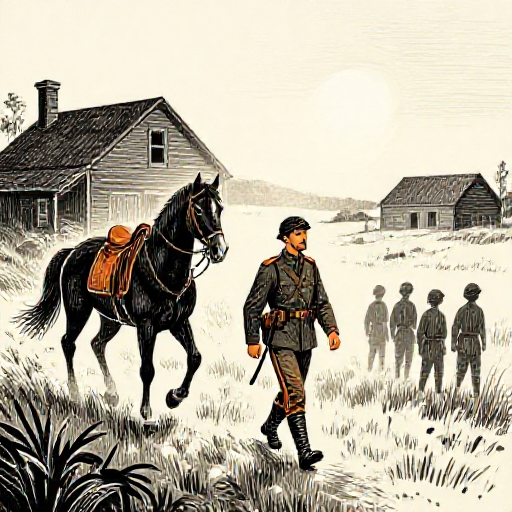
Word reached Andrew Jackson, then a general and already famous, in 1819. He was a practical man and a skeptic, and he came to Robertson County with a company of men and the intention of exposing a fraud.
He arrived. He camped on Bell land.
That night, his wagon wheels locked on level ground and would not move. His horses refused to pull. His men heard the voice. One of his party, a self-proclaimed witch hunter, was struck and thrown. The general himself, who had survived the Creek War and the Battle of New Orleans, left the following morning before breakfast.
He said later that he would rather fight the entire British Army than spend another night on that farm.
No one who heard him doubted he meant it.
Chapter Five: The Death of John Bell
John Bell's health declined through 1820. He lost weight. He lost the use of his jaw at intervals, unable to eat or speak. The doctor found nothing. There was nothing to find.
The voice tormented him in these periods. It laughed. It whispered. It told him he was going to die.
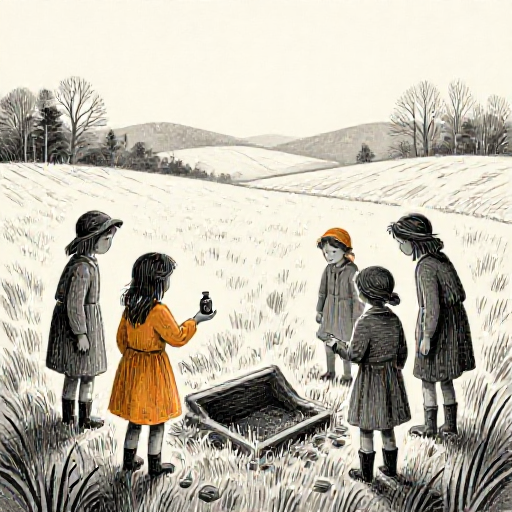
On the morning of December 20, 1820, John Bell did not wake. Beside his bed, the family found a small vial of dark liquid that no one recognized. The voice spoke cheerfully that morning. It told them what the vial contained.
They gave some to the cat.
The cat died within the hour. They buried the vial without testing it further.
John Bell was buried on the farm. The voice sang at the graveside. Family members heard it clearly.
Chapter Six: Departure
In the spring of 1821, the voice told Lucy Bell it was leaving.
It said it would return in seven years, and it did. In 1828, it came back to the Bell house, spoke to John Bell Jr. for two weeks on history, religion, and the future of the nation, and then departed again.
It said it would return in 107 years.
In 1935, a descendant named Charles Bailey Bell published a book. That same year, several members of the Bell family reported sounds in the night. Knocking. Scratching. The rustle of bedclothes being slowly pulled.
No one who has studied the Bell case has ever produced an explanation that satisfies all the documented testimony.
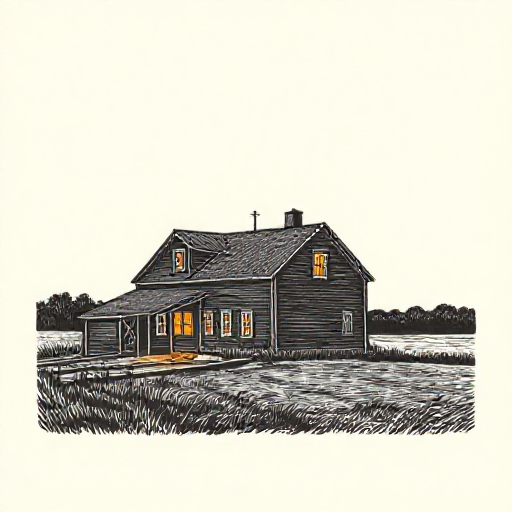
The farm still stands in Adams, Tennessee. Some nights the neighbors say it is very quiet there.
Too quiet for a house that old.
The True History
The Bell Witch haunting of Adams, Tennessee is considered one of the most thoroughly documented cases of alleged supernatural activity in American history. The events unfolded between 1817 and 1821 on the farm of John and Lucy Bell, and were witnessed and recorded by multiple individuals, including neighbors, clergy, and at least one prominent historical figure. Andrew Jackson's visit is documented in several early accounts, though the degree of his terror has been embellished over time. The core claim, that he left early and spoke of the experience with unusual gravity, appears consistently across independent sources.
John Bell died in December 1820, and the cause was never conclusively determined. The dark vial found at his bedside was a real detail recorded in contemporary accounts. The entity's apparent affection for Lucy Bell and hostility toward John is one of the more psychologically interesting aspects of the case and has driven speculation for two centuries about whether the haunting had earthly origins.
The "Kate" Bell Witch, as it became known, entered American folklore almost immediately. Tennessee officially designated the area a historic site. The Bell Witch Cave, located on the original Bell property, attracts thousands of visitors each year. Whether the original events were genuine, a collective delusion, or an elaborate and sustained deception has never been settled. The records of what people saw and heard, however, have remained remarkably consistent across more than two hundred years of retelling.